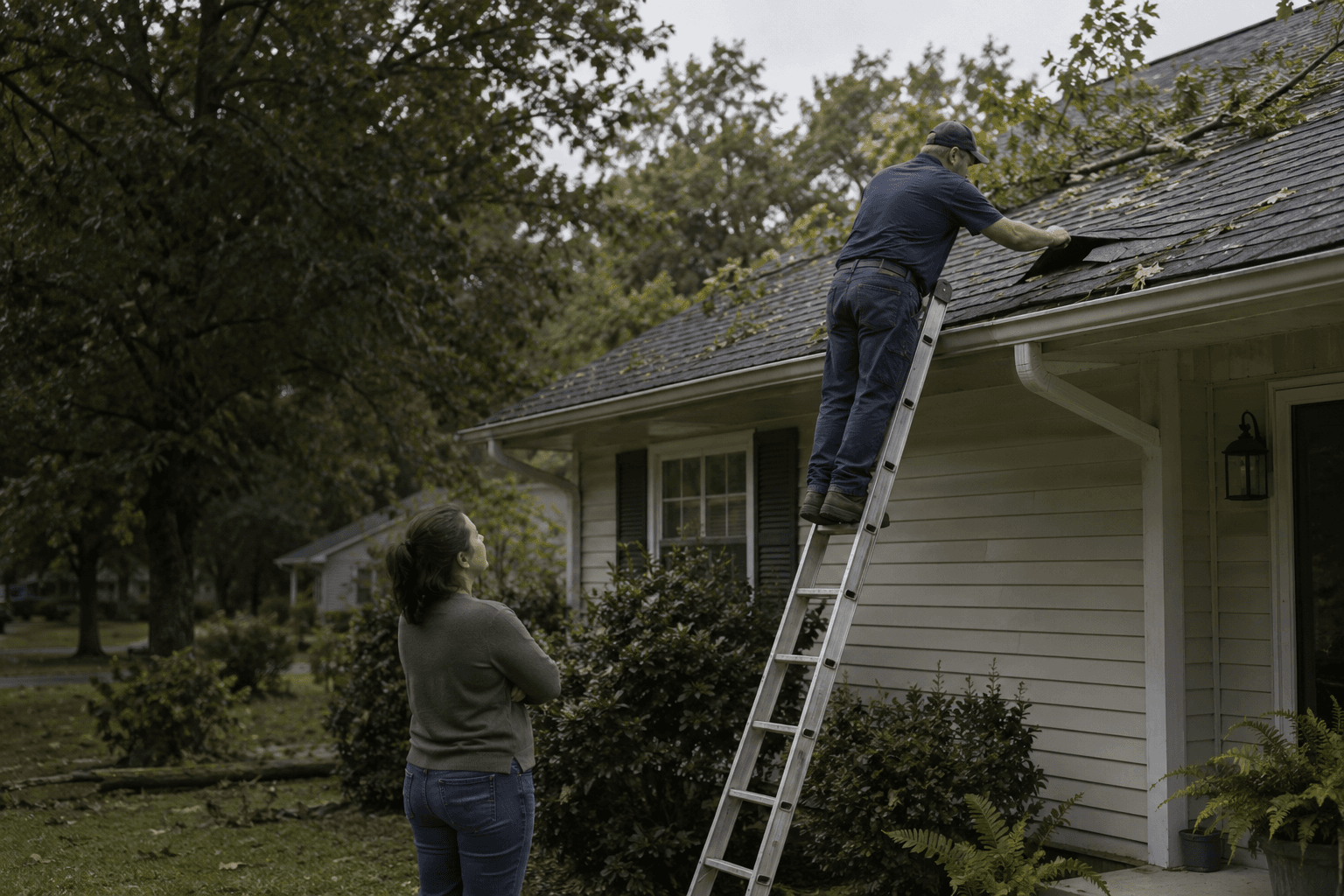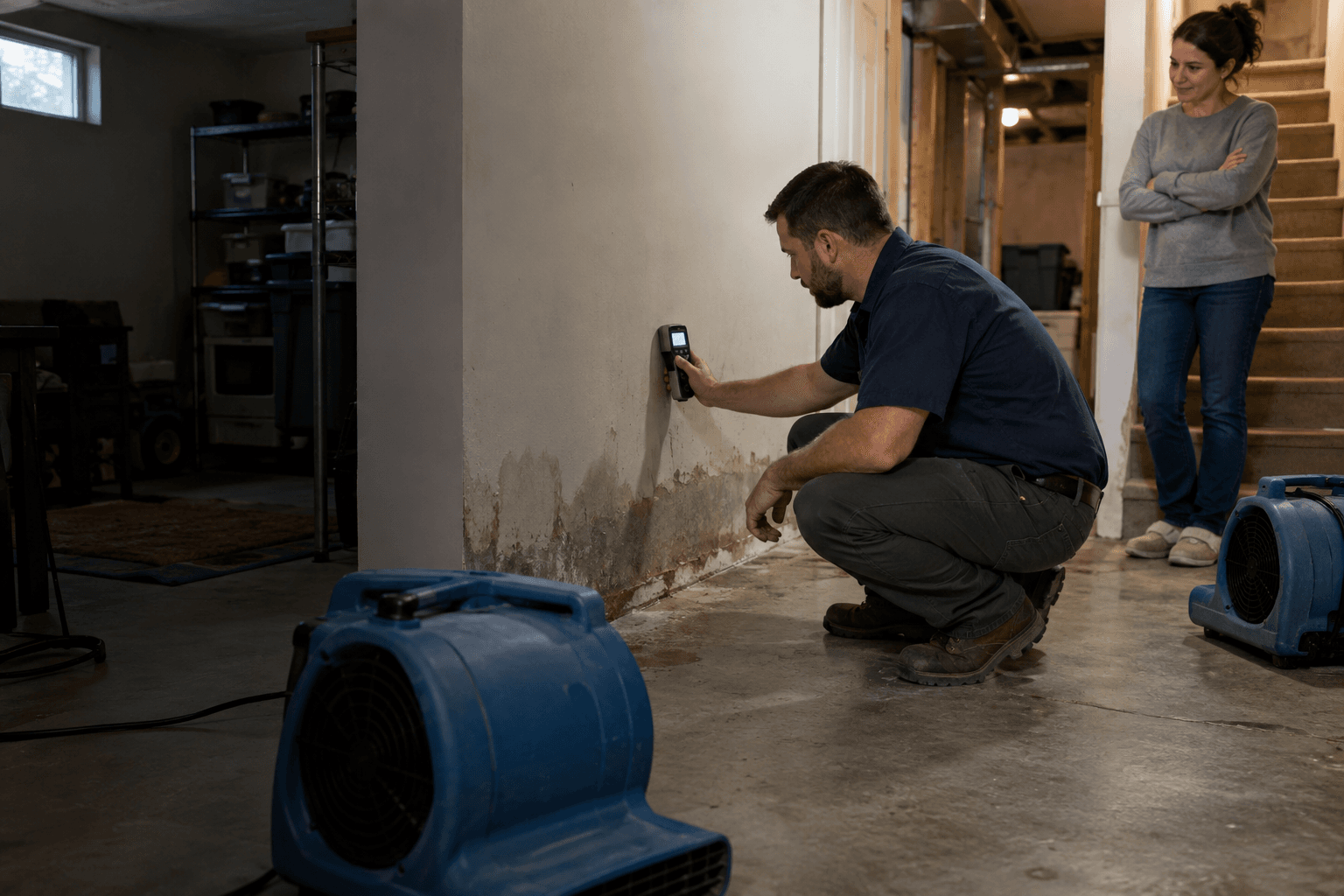
A restoration professional checks damp basement drywall with a moisture meter while drying fans run

Get Water Damage Help Near You

Standing water, soaked floors or a ceiling that won't stop dripping. Tell us what happened and we'll help you reach independent restoration professionals who serve your area.

Where is the water coming from?

  • Free to use
  • No obligation
  • You decide whether to hire

Water doesn't stop when the puddle does.

Water keeps moving into drywall, insulation and subfloors after the puddle is gone. Starting sooner usually means less has to be removed.

  1. First hours

    Water spreads across floors, soaks carpet and pad, and starts wicking up drywall.

  2. First day or two

    Drywall, insulation and wood stay damp. Mold can begin to grow on wet materials.

  3. After several days

    Wood floors cup and swell, trim warps, and odors set in. More has to be removed.

While you wait for help

Only do what is safe. If water is near outlets, cords or the electrical panel, stay out of the area.

If there's fire, a gas smell or any risk to someone's safety, leave and call 911.

  1. Shut off the main water valve if a pipe or fixture is the source.
  2. Turn off power to affected rooms at the breaker — only if you can reach the panel without standing in water.
  3. Move valuables, electronics and papers to a dry area.
  4. Take photos and video of the damage before cleanup starts. Your insurer may ask for them.
  5. Avoid contact with sewage or floodwater. Treat it as contaminated.

Before you hire.

Every provider is an independent business. A little context helps you compare estimates and choose with confidence.

Why time matters with water

Water keeps moving after the visible puddle is gone. It wicks into drywall, insulation and subfloors, and damp materials can begin to support mold growth within a day or two. Starting the drying process early usually limits how much has to be torn out.
Restoration is more than cleanup

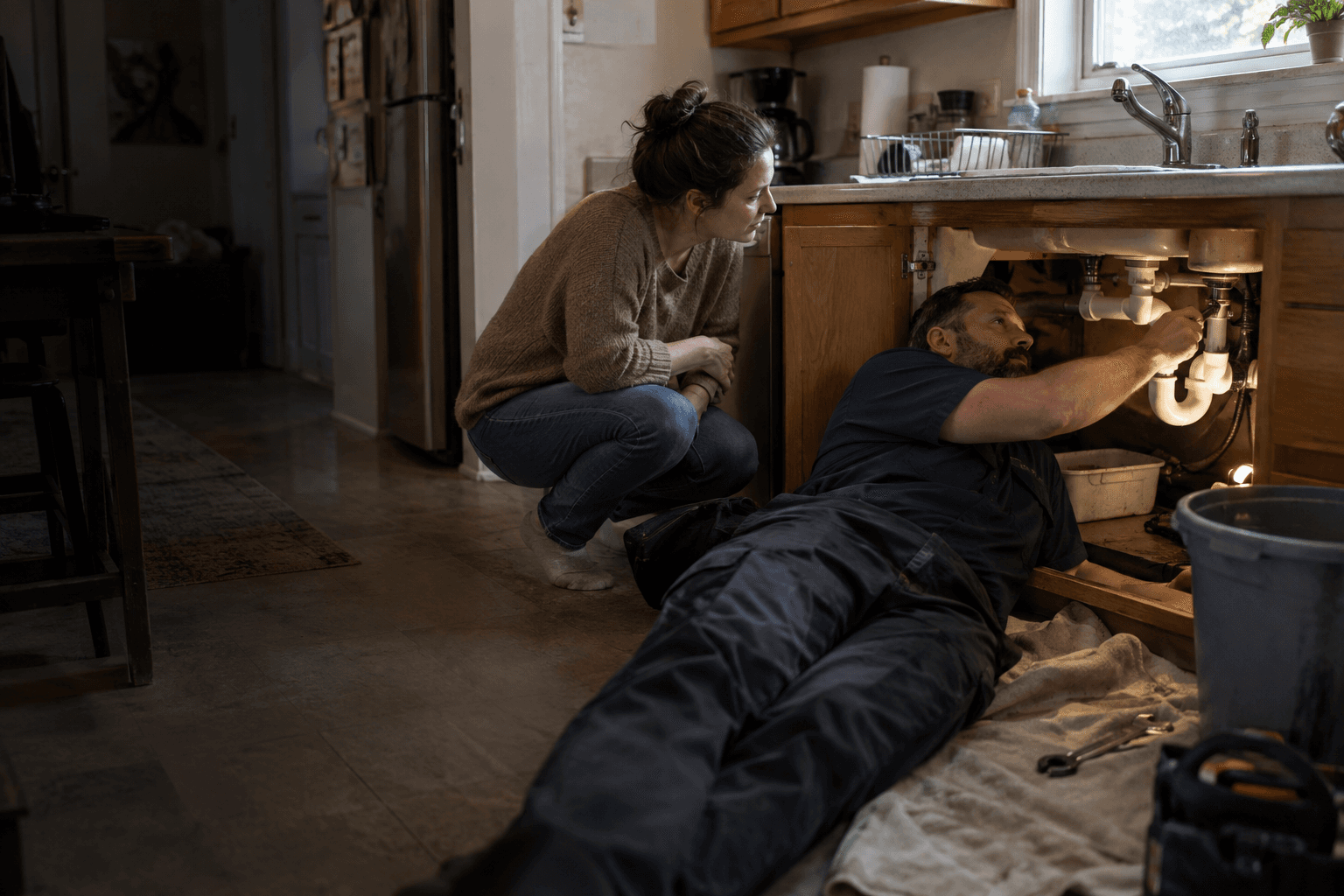
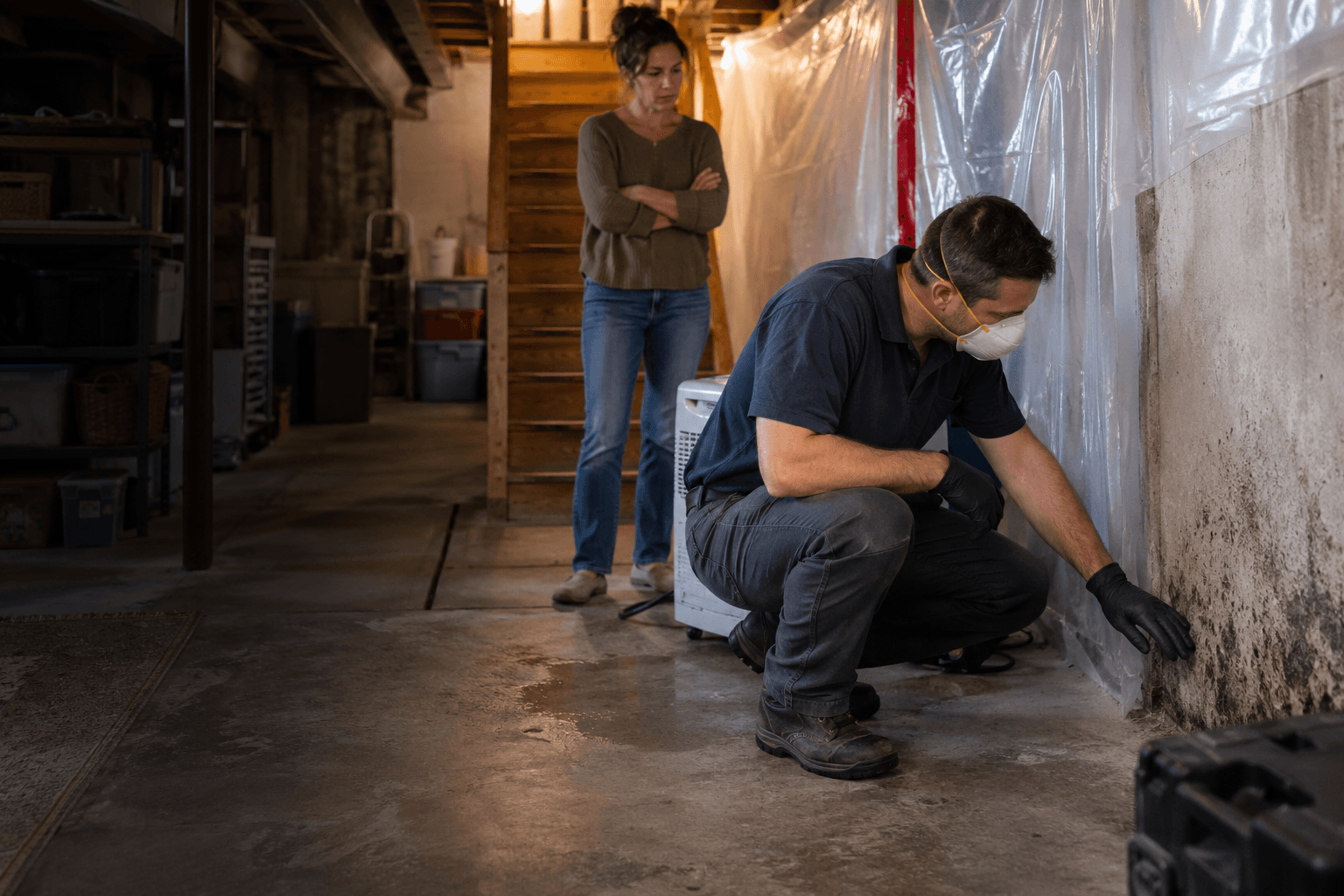
Restoration pros typically extract standing water, measure moisture in walls and floors, set up drying equipment, and monitor readings until materials are dry. If a pipe caused the damage, you may also need a plumber to fix the source.

Questions worth asking a pro

  • How will you find moisture I can't see, such as inside walls or under floors?
  • What equipment will you use to dry the area, and for how long?
  • Can you document the damage in a way my insurance company will accept?
  • What will need to be removed, and what can be dried and saved?
  • Is the estimate written, and what could change it?
A restoration professional checks damp basement drywall with a moisture meter while drying fans run

Get water damage help now.

A few quick answers and you're done. You decide who to talk to.

Get Water Damage Help

Questions about water damage restoration.

What happens after you ask for help

  1. We share your request with independent pros who serve your area.
  2. One or more may call, text or email to talk it through.
  3. You compare, ask questions, and hire only if it's right for you.
Will homeowners insurance cover water damage?

It depends on your policy and the cause. Sudden events such as a burst pipe are often treated differently from slow leaks or outside flooding. Call your insurer early, document everything, and ask the restoration company whether it works with insurance claims.

Do I need a plumber or a restoration company?

Often both. A plumber stops the leak. A restoration professional dries and repairs what the water reached. If water is still flowing, shut it off first.

Can I dry it out myself?

Small, clean-water spills caught quickly can sometimes be handled with fans and a wet vac. Larger areas, anything soaked for more than a day, or any sewage or floodwater usually call for professional equipment and moisture testing.

What affects the cost of water damage restoration?

It depends on what's wrong, how big the job is, access, materials and local rates. Independent pros set their own prices, so ask for a written estimate — and what could change it — before work starts.

How quickly can someone come out?

It depends on your area, the time of day and how busy local pros are. Say that it's urgent when a pro contacts you, and follow the safety steps on this page in the meantime.